Do We Need Peat to Grow a Garden?
When I started gardening in Qatar, I knew very little about the different growing media available. I was often advised to use peat moss, so I tried it in part of my garden. One thing I noticed was that when I missed a watering schedule, the peat dried out, and rewetting it took extra effort and water. In Qatar’s hot, arid climate, that made me question whether it was the right choice for my garden.
All I knew at the time was that I needed compost. It was what I remembered from my childhood on our family farm. Even today, manure and compost remain at the heart of how I garden.
I often wondered why peat moss was recommended so widely, but I never received a clear explanation at the nurseries. It was only after spending a year or two gardening and understanding the soil I was working with that, I began to understand its purpose — and question whether I needed it.
Why is peat used in sandy soil?
Sandy soil drains quickly and generally holds less water and nutrients than soils with more silt and clay. Peat is used in growing media because it is lightweight and can hold considerable moisture. It also helps create air spaces around roots.
Peat is naturally acidic, often with a pH of around 4.5, depending on its source. This makes it useful for plants that prefer acidic growing conditions, such as blueberries, azaleas, begonias, rhododendrons etc. However, peat is not necessary for sandy soil,
So, while peat has useful properties, does that mean we must keep buying it to make sandy soil productive?
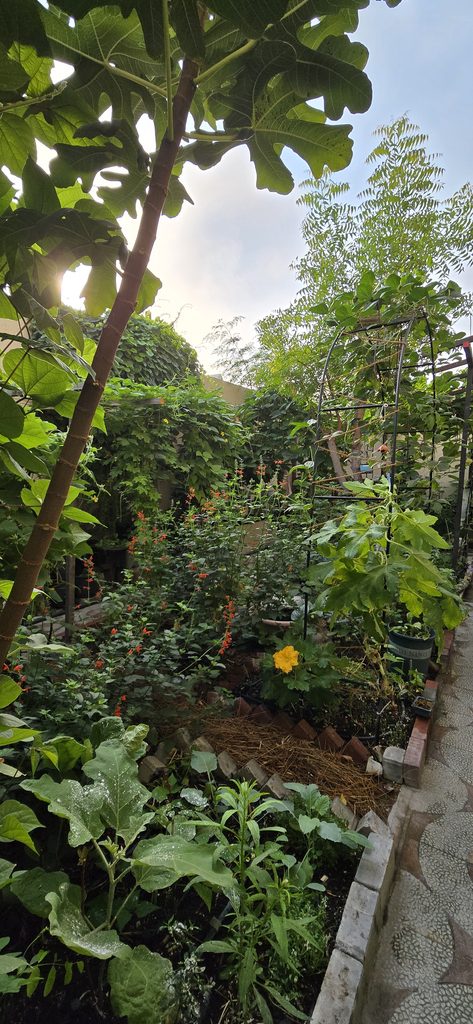
My garden is living proof that sandy soil can improve over time with regular additions of organic matter.
Neem, tamarind and moringa pruning’s, along with sugarcane leaves, and other suitable plant material from my garden, are used as mulch or compost. Kitchen scraps become compost, and seeds saved from previous seasons grow into new plants. Slowly, the garden builds its own cycle of renewal.
What is peat moss, and how is it formed?
Peat moss refers to mosses belonging to the genus Sphagnum, which commonly grow in wet environments such as bogs. Peat and peat moss are related, but they are not the same thing.
In waterlogged conditions, there is very little oxygen available, which slows the decomposition of dead plants. As plant material accumulates over time, it forms layers of partially decomposed organic matter known as peat.
This process takes place over hundreds or thousands of years, depending on the conditions. Peatlands develop slowly, and once peat is extracted, restoring the original ecosystem can take a very long time.
Why should we rethink peat?
Peat is useful beyond gardening. It has traditionally been used as fuel and as an absorbent material, and it remains an important component of commercial growing media.
However, its usefulness comes with an environmental cost.
Peatlands cover only about 3% of Earth’s land area but store approximately one-third of global soil carbon. They also support specialised wildlife and help regulate water.
When peatlands are drained or disturbed, the stored organic matter is exposed to oxygen and decomposes more rapidly, releasing carbon dioxide. Damaged peatlands can therefore become sources of greenhouse gas emissions instead of continuing to store carbon.
At a time when we are trying to reduce emissions and protect natural ecosystems, it is worth asking whether we need to keep extracting peat for every gardening application.
We may use peat in a potting mix for a season, but the ecosystem that produced it took a very long time to develop. This is why protecting peatlands and reducing avoidable demand for harvested peat matter.
What can we use instead?
There is no single replacement that works for every plant or growing situation. The choice depends on what you are growing, your climate and the materials available locally.
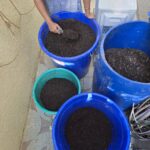
- Mature compost: Adds organic matter and nutrients and can improve water retention in sandy soil.
- Well-decomposed manure: Helps build soil fertility.
- Leaf mould: Made from decomposed leaves, it can improve soil structure and moisture retention.
- Mulch: Leaves, suitable pruning’s and other plant residues help reduce evaporation and protect the soil surface.
- Coconut coir: A by product of coconut processing, coir is used in peat-free growing media because it holds water while allowing air around roots. It comes with its own drawbacks too.
In my garden, overtime I have focused on improving the soil with the resources I already have. It has taken time, but I have learnt that I don’t need to replace my sandy soil or depend on peat to make it productive.
Question worth asking ourselves
We garden to grow food, connect with nature and make better use of the resources around us. But how often do we stop to consider where our gardening materials come from and what it takes to produce them? With the climate and environmental challenges, we face today, do we really need to depend on every product marketed to gardeners? Or can we learn to make better use of what our gardens already provide?
If there is one change we can make to help protect peatlands, consider choosing peat-free growing media wherever suitable alternatives are available. Start by understanding your soil, returning organic matter to it and making use of local resources. For me, gardening has become a cycle of growing, saving, returning and growing again.
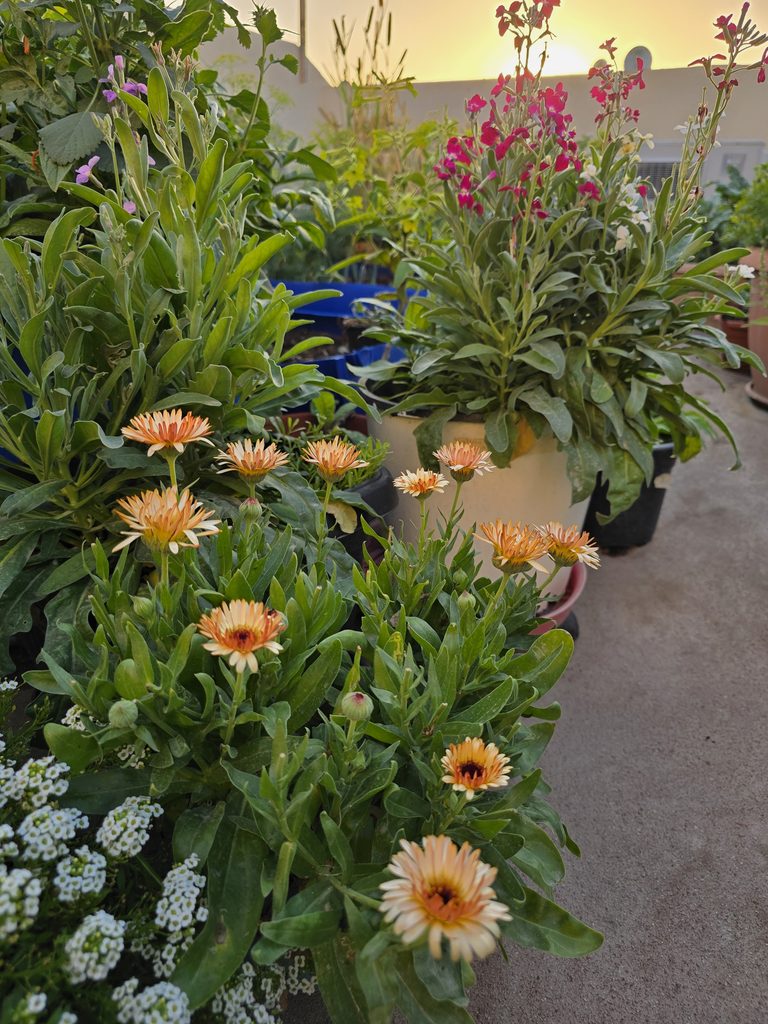
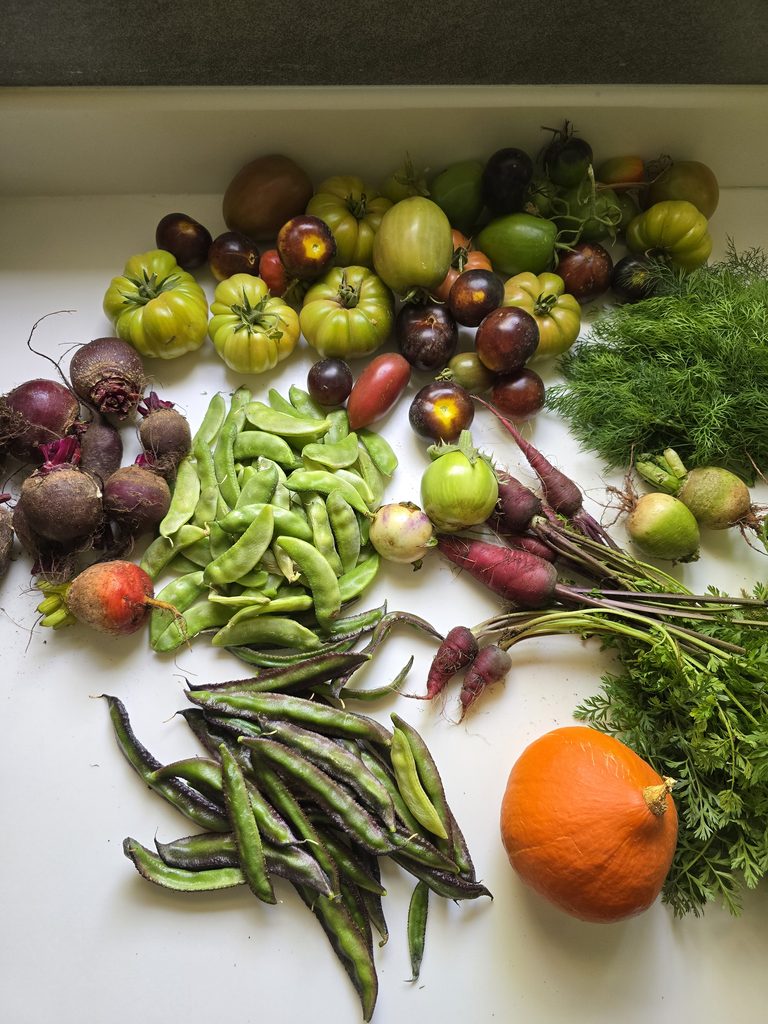
How much of your garden’s growing material can you produce or recycle yourself?
Leave a Reply